
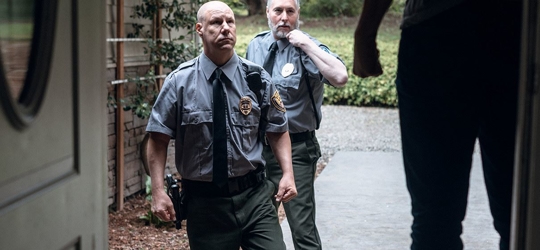
Being arrested for domestic violence in Miami can leave you terrified about what the police wrote, what was recorded, and whether anyone will ever hear your side of the story. You may be replaying the argument in your mind and wondering how a few minutes at home turned into handcuffs, a night in jail, and a court date. The evidence that officers collected, or failed to collect, can feel like it controls everything.
In reality, the outcome of a domestic violence case in Miami often turns on how that evidence is gathered, what it really shows, and how it is challenged in court. 911 calls, body camera footage, photos, medical records, and text messages all look powerful at first glance, but they can be incomplete, misleading, or even helpful to the defense. Understanding how this evidence works in the Miami system is critical to protecting your future.
At Law Office of Michael Mirer, P.A., we have spent decades on both sides of domestic violence cases in Miami. Our firm is led by Attorney Michael Mirer, a former Miami-Dade Prosecutor with extensive trial experience in local courts. We now use that perspective, along with experienced investigators and expert witnesses, to dissect the evidence in each case and build a defense strategy tailored to what the State can actually prove. The sections below walk through what you need to know about evidence in Miami domestic violence defense and what you can do right now to protect yourself.
Why Evidence Matters So Much In Miami Domestic Violence Cases
Many people assume that if the alleged victim later wants to drop the case, the charges will disappear. In Miami, that is often not how it works. The decision to file or drop domestic violence charges belongs to the State Attorney’s Office, not the complaining witness. Prosecutors in Miami-Dade frequently move forward even if the alleged victim becomes reluctant, especially when they believe they have strong independent evidence such as 911 recordings, body cam video, or photos.
This is why the evidence collected in the first hours and days after an incident plays such a central role. It influences whether the State files formal charges, what those charges are, and whether the prosecutor feels confident taking the case to trial. It also affects key early decisions, such as the conditions of your bond, whether a no contact order is issued, and how strictly the court monitors you while the case is pending.
The fact that evidence is powerful does not mean it is unbeatable. Police reports are written quickly, often in a chaotic scene, and they can contain mistakes, assumptions, and missing information. Audio and video recordings can start late or end early. Witnesses remember details differently over time. When we review a Miami domestic violence case, we do not treat the police report or discovery packet as the final word. We look for gaps, contradictions, and alternative explanations that can change how a judge or jury views the same set of facts.
Our former prosecutor experience helps us anticipate how the State will try to present its evidence and what issues might give them pause behind the scenes. We understand what types of problems with a 911 call, a video, or a medical record may make a prosecutor rethink a trial strategy or reconsider a plea offer. That inside view is one reason evidence analysis is often the starting point, not an afterthought, in a strong Miami domestic violence defense.
Common Types Of Evidence In Miami Domestic Violence Cases
Domestic violence investigations in Miami usually generate the same core categories of evidence, regardless of the specific charges. Knowing what these are and how they are used can help you understand what your lawyer will be looking for. It can also help you avoid common missteps that make the State’s job easier.
Some of the most common evidence in Miami domestic violence cases includes:
- 911 calls. Calls made to Miami-Dade emergency dispatch are recorded and preserved. Prosecutors often use them to argue that the caller’s statements are more reliable because they were made in the heat of the moment.
- Police body camera and dashcam video. Many Miami officers wear body cameras that capture their arrival at the scene, the condition of the home, and initial statements by both parties. Dashcams may record the area outside the residence.
- Photographs of injuries or damage. Officers may take photos of bruises, cuts, torn clothing, broken items, or damage to doors and walls. Sometimes one party’s injuries are documented in detail while the other’s are barely noted.
- Medical records. If anyone is treated at a local hospital or clinic, records may be subpoenaed to show the nature and timing of injuries.
- Witness statements. Neighbors, family members, or children in the home may provide statements. These can be written, recorded on body cam, or summarized in police reports.
- Texts, social media, and call logs. Officers or prosecutors may collect messages and posts between the parties to show threats, harassment, or alleged admissions.
- Recorded statements from the accused. Anything you say to police, whether on scene or later at the station, can become a central part of the State’s case.
- Prior calls to the same address. Prosecutors may look for a pattern of prior domestic calls, even if there were no arrests, and may try to use that history when the rules allow.
Each of these evidence types can be used in more than one way. A 911 call that sounds very emotional may be missing important context about what happened earlier in the day. Body cam video may show that the accused has visible injuries that do not match the State’s theory. Text messages that look bad in isolation may read very differently when the full conversation is preserved.
At Law Office of Michael Mirer, P.A., we regularly obtain and review all of these materials through the discovery process and our own investigation. We do not simply wait for the State to deliver what they choose. When appropriate, we track down additional photos, records, and witnesses that were not included in the initial police file, especially in fast-moving Miami domestic calls where officers may have missed key details.
How Prosecutors Use 911 Calls, Police Reports, And Body Cam Footage
For many Miami domestic violence cases, 911 calls are the first piece of evidence a prosecutor reviews. These recordings capture the tone of voice, background noises, and spontaneous statements that the State often argues are reliable because they were made during an emergency. Florida evidence rules generally limit hearsay, which means out-of-court statements offered to prove what happened. However, prosecutors may invoke exceptions, such as an “excited utterance,” to try to play the 911 call for the jury even if the caller is reluctant to testify.
Police reports and supplemental reports are another backbone of the case. They tell the prosecutor who the officers believed was the primary aggressor, what each person said, and what injuries or damage were visible. In the rush of a domestic call, officers sometimes rely on quick impressions or the statements of the person who appears more upset. Once written, those reports can take on a life of their own, even if later evidence tells a more complicated story.
Body camera and dashcam footage are often where that more complicated story appears. Video can show the actual layout of the home, the position of objects, and the behavior of both parties when officers arrived. For example, a report might say that a partner was “terrified” and could not approach the accused, but the body cam might show them moving freely around the room, arguing with officers, or admitting that both parties were fighting. Sometimes video reveals injuries to the accused or damage inconsistent with the reported sequence of events.
As a former Miami-Dade Prosecutor, Michael Mirer knows how the State uses these materials at every stage. Prosecutors choose which parts of a 911 call to emphasize, which report details to highlight in motions, and which video clips to play for the jury. Now, as a defense firm, we look at the same evidence with a different eye. We ask whether the caller’s voice suggests coaching in the background, whether officers asked leading questions on video, or whether the report leaves out facts that matter. Those details can support motions to limit or exclude certain statements, or at least give jurors a reason to doubt the State’s version.
We also understand that local judges in Miami can have different views on how much 911 and body cam content should reach a jury. Our familiarity with these tendencies helps us frame arguments in a way that resonates in Miami domestic violence courtrooms, rather than relying on generic templates that ignore local practice.
Digital Trails: Texts, Social Media, And Location Data In Domestic Violence Cases
Modern domestic relationships leave long digital trails. Text messages, direct messages, Instagram posts, WhatsApp chats, and call logs can all become part of a domestic violence case in Miami. Police officers sometimes scroll through a phone on scene if they are given consent, and prosecutors may later issue subpoenas to phone companies or social media platforms for records they believe support the charges.
These digital records can hurt or help, depending on how they are handled. On the prosecution side, messages that look like threats, repeated unwanted contact, or jealous accusations may be used to argue a pattern of control or escalation before the alleged incident. Posts made after the arrest, such as comments about “getting even” or talking about the case, can also be used against you. Even timestamps, such as dozens of calls in a short period, can be spun as harassment.
On the defense side, those same records can show a very different story. A full text thread, not just a screenshot chosen by one side, might show mutual arguments, apologies, or even the alleged victim admitting to starting the fight. Location data and call logs can show that you were not at the scene when you are accused of being there, or that the alleged victim continued to contact you voluntarily despite claiming they were afraid. Removing a handful of messages from context can be misleading, and part of our job is to insist on the whole picture.
One of the worst steps an accused person can take is deleting messages, resetting a phone, or asking others to delete posts after an arrest. Prosecutors may view this as an attempt to destroy evidence, and in some situations it can lead to additional problems. Instead, we generally advise preserving what exists by saving backups and screenshots, then reviewing them with counsel. Each case is different, so it is essential to discuss your specific situation with your lawyer before taking action with your devices.
Our team at Law Office of Michael Mirer, P.A. uses investigators and, when needed, technical professionals to recover and organize digital records. We often build detailed timelines that combine texts, calls, and social media activity with other evidence like 911 calls and body cam video. This comprehensive view can expose gaps in the State’s story and create reasonable doubt about how and why events unfolded in your Miami domestic violence case.
Challenging Injuries, Medical Records, And Alleged Prior Incidents
Visible injuries and medical records can feel like the most damaging pieces of evidence in a domestic violence case. If officers took photos of bruises or a doctor documented fractures, you may worry that there is nothing left to argue. In Miami courts, however, injuries do not automatically prove who started a fight, whether force was legally justified, or whether the injuries occurred in the way the State claims.
Prosecutors often rely on photos and hospital records to support their theory of the case. They may argue that the pattern or location of injuries is consistent with being hit, pushed, or strangled by the accused. However, those same records may show alternative possibilities. For instance, injuries could be consistent with someone falling while intoxicated, with both parties fighting, or with defensive actions taken in self-defense. The timing noted in medical records may not match the alleged time of the incident, or the person may have given a different account to medical staff than to police.
Defense teams can involve independent medical professionals to review records and images. These professionals look for inconsistencies in descriptions, unexplained gaps, or signs that injuries could have occurred over a longer period. They can also address whether the alleged mechanism of injury, such as being struck multiple times, matches what is documented. Judges in Miami weigh whether evidence like graphic photos is more likely to inflame a jury than to truly help them understand what happened. If the risk of unfair prejudice outweighs the value of the evidence, some images or details may be limited.
Alleged prior incidents are another area where rules matter. Prosecutors sometimes try to bring up past arguments, prior calls to the same address, or earlier accusations to suggest a pattern of abuse. Florida evidence rules do allow some form of pattern evidence in certain circumstances, but not every past argument can be paraded in front of a jury. The defense can file motions to keep out old allegations that are weak, unrelated, or so inflammatory that they would distract from the current charges.
At Law Office of Michael Mirer, P.A., we regularly work with investigators and medical professionals to dig into these issues. We do not simply accept the State’s description of injuries or history. By questioning how, when, and why injuries happened, and how prior incidents are being used, we aim to prevent unfair character attacks and keep the focus on what can actually be proven about the night in question.
When The Alleged Victim Recants Or Refuses To Testify
One of the most common questions we hear in Miami domestic violence cases is, “What happens if they tell the prosecutor they want to drop the charges?” Many people believe the case will automatically be dismissed once the alleged victim changes their mind. In practice, the Miami-Dade State Attorney’s Office often continues to prosecute if they believe they have enough other evidence to move forward.
Prosecutors may rely on earlier statements to police, 911 calls, photos, body cam footage, and witness testimony even if the complaining witness now refuses to participate. They may argue that the initial statements were more truthful because they were closer in time to the incident or made under stress, and they may try to fit those statements into hearsay exceptions. This approach is particularly common in domestic violence prosecutions, where the State assumes that some victims will later fear retaliation or financial consequences if they pursue charges.
From a defense perspective, a recantation or refusal to testify still matters. It can create significant credibility issues for the State. If the alleged victim now says they lied, exaggerated, or do not remember, that can be powerful impeachment material. If they will testify but change their story, we can use prior inconsistent statements to show the jury that their account is unreliable. Even when the witness does not appear in court, there may be constitutional limits on how prior statements can be used without an opportunity for cross-examination.
Our familiarity with Miami-Dade prosecutor policies helps us give realistic advice in these situations. We have seen cases where recanting witnesses led to reduced charges or dismissals, and others where the State pushed ahead with 911 calls and officer testimony. We evaluate how strong the remaining evidence is, how a judge is likely to view the situation, and what leverage the credibility problems create in negotiations. For many clients, understanding that a recantation changes the landscape, but does not automatically end the case, is an important step in planning their defense.
How We Analyze Evidence And Build A Defense Strategy In Miami
A strong domestic violence defense in Miami is not built around a single piece of evidence. It comes from a systematic analysis of everything in the file and everything that is missing. When you hire Law Office of Michael Mirer, P.A., one of the first steps we take is to obtain discovery from the State, which usually includes police reports, 911 recordings, body cam footage, photos, and any known witness statements. At the same time, we speak with you about what happened, what you remember saying, and what evidence you think exists that the police may not have collected.
We then work with our investigators to gather additional materials that can support your defense. This may include independent photos of injuries to you, contact information for neighbors who were not interviewed, home surveillance video that might be overwritten if not requested quickly, and digital records such as text threads and call logs. We often create a detailed timeline that compares every statement, message, and recording to check for inconsistencies and gaps. For example, if a 911 call suggests the incident happened at a certain time, but phone records or location data say something different, that becomes a key point for cross-examination.
Once we understand the full evidence picture, we identify specific weaknesses. Those can include missing body cam footage, conflicting officer descriptions, injuries that do not match the State’s narrative, or statements taken after a possible violation of your constitutional rights. In some cases, we file motions to suppress statements that were obtained after improper questioning or without proper warnings, or motions to exclude evidence that is unfairly prejudicial. In others, we prepare to expose contradictions at trial, such as highlighting differences between what a witness told officers on the night of the incident and what they say months later on the stand.
Evidence strength and weakness directly influence strategy. When we believe the State’s evidence is thin or unreliable, we may advise pushing for dismissal, setting the case for trial, or using our trial readiness to negotiate from a position of strength. When some evidence is strong but other parts are questionable, we may use those vulnerabilities to seek charge reductions, probationary outcomes, or diversion programs that focus on counseling and rehabilitation instead of jail. Our familiarity with Miami courts and our background inside the prosecutor’s office help us judge which approaches are most realistic in a given courtroom.
No two domestic violence cases in Miami look exactly alike, even when the charges on paper are the same. We do not apply a cookie cutter defense. Instead, we build a strategy around your specific mix of 911 calls, photos, medical records, digital communications, and history. Our goal is to protect your rights at every step and to use the evidence, or lack of evidence, to move your case toward the best possible outcome under the circumstances.
What You Should Do Now To Protect Evidence In Your Domestic Violence Case
The decisions you make in the days after a domestic violence arrest can have a lasting effect on the evidence in your case. Some helpful evidence can disappear quickly, while careless actions can create new problems that the State did not have before. There are practical steps you can take now to protect your position while you get legal advice.
Consider these steps to preserve potential defense evidence:
- Save digital communications. Preserve text messages, call logs, voicemails, emails, and social media messages between you and the alleged victim, especially from the hours and days around the incident. Do not edit or selectively delete; instead, keep full conversations.
- Identify witnesses and cameras. Write down the names and contact information of anyone who may have seen or heard the incident, including neighbors. Note any nearby cameras, such as home security systems or apartment complex cameras, that might have recorded relevant footage.
- Document your own injuries or property damage. If you sustained injuries or there was damage that supports your version of events, photograph these as soon as possible and note when the photos were taken.
- Create a personal timeline. While details are fresh, write a detailed account of what happened before, during, and after the alleged incident, including times, locations, and who was present.
There are also important things you should avoid:
- Do not contact the alleged victim if there is a no contact order. Violating court orders, even with good intentions, can result in new charges and hurt your credibility.
- Do not post about the case on social media. Public comments can easily be taken out of context and used as evidence.
- Do not try to explain things to police or prosecutors without a lawyer. Statements made in stress or frustration often end up in the State’s file and can be difficult to walk back later.
The most protective step you can take is to put all of this information in the hands of a defense lawyer who understands how domestic violence evidence is handled in Miami. At Law Office of Michael Mirer, P.A., we regularly guide clients through preserving helpful records, reviewing what the State has, and deciding what to do next. A confidential consultation lets us look at the specific evidence in your case and begin building a plan around it.
Talk To A Miami Domestic Violence Defense Lawyer About The Evidence In Your Case
The evidence in a Miami domestic violence case can seem overwhelming at first, especially when you only see it through the lens of an arrest report or a bond hearing. Once a defense team examines every 911 call, photo, message, and record, the picture often looks very different. Weaknesses appear, gaps emerge, and new context can change how judges, prosecutors, and juries view the same events.
You do not have to sort through this alone. The sooner a lawyer with local Miami experience and a deep understanding of domestic violence prosecutions reviews your evidence, the more options you may have. If you or someone you care about is facing domestic violence charges, contact Law Office of Michael Mirer, P.A. to discuss the evidence in your case and the steps we can take to protect your rights. Call us at (800) 798-0243.